
See the inside of the system before anyone recommends work.
A camera inspection shows the actual condition inside ducts and other confined spaces, so the scope is based on what is there instead of a guess.
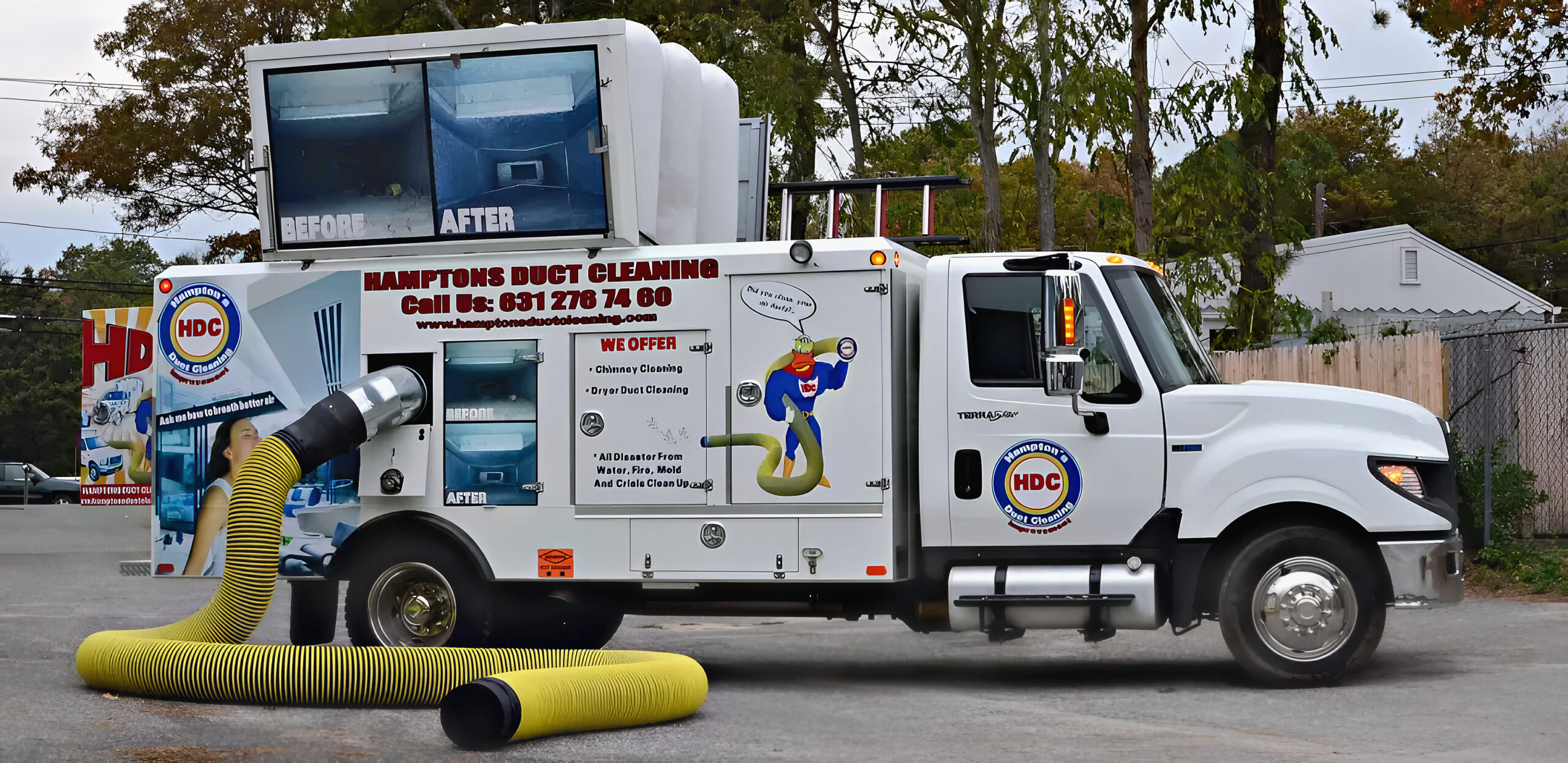
A camera answers the question that a flashlight cannot.
Most of a duct system sits where nobody can see it. Dust at a register tells you something is happening, but not how far it goes, whether a run is collapsed, or whether something else is in there. Recommending a full cleaning without looking is how people pay for work they did not need, or miss work they did.
A video inspection runs a camera through the accessible ducts and records what it finds. You see the same images the technician sees, and the recommendation that follows points at specific runs and conditions rather than the whole house by default.
It is also the right first step when there is a smell you cannot trace, airflow that is weak in one room, or a system that was worked on during a renovation and never checked afterward.
When an inspection is worth doing.
- One room stays dusty or stale while the rest of the house is fine.
- You are buying or selling and want to know the condition of the ductwork before you commit.
- There was a renovation, a pest problem, or water in the system and you want to see the extent of it.
- A contractor quoted a full replacement and you want a second look at what is actually inside.
Video inspection: quick guide
- Weak airflow in one room
- Unexplained odors or recurring dust
- A renovation, pest, or water event in the ductwork
- Note which rooms show the symptom
- Do not accept a full-system scope without seeing the condition
- Keep the inspection recording with your property records