
Fire and smoke cleanup, scoped to what was actually affected.
Soot and smoke travel much farther than the flames. The cleanup is planned around the rooms, materials, and contents that were really affected.
The fire is out long before the damage is done spreading.
A fire that stays in one room can still leave soot on every surface in the house, because smoke moves through open doors, under doorways, and straight through the ductwork. Wiping the walls near the fire handles the obvious part and leaves the film that has settled everywhere else, which is what people smell weeks later.
Different materials hold smoke differently. Painted drywall can often be cleaned and sealed. Porous surfaces, insulation, and soft contents may not be worth saving, and pretending otherwise wastes money. An honest scope separates what can be cleaned from what should be removed, room by room, before any work starts.
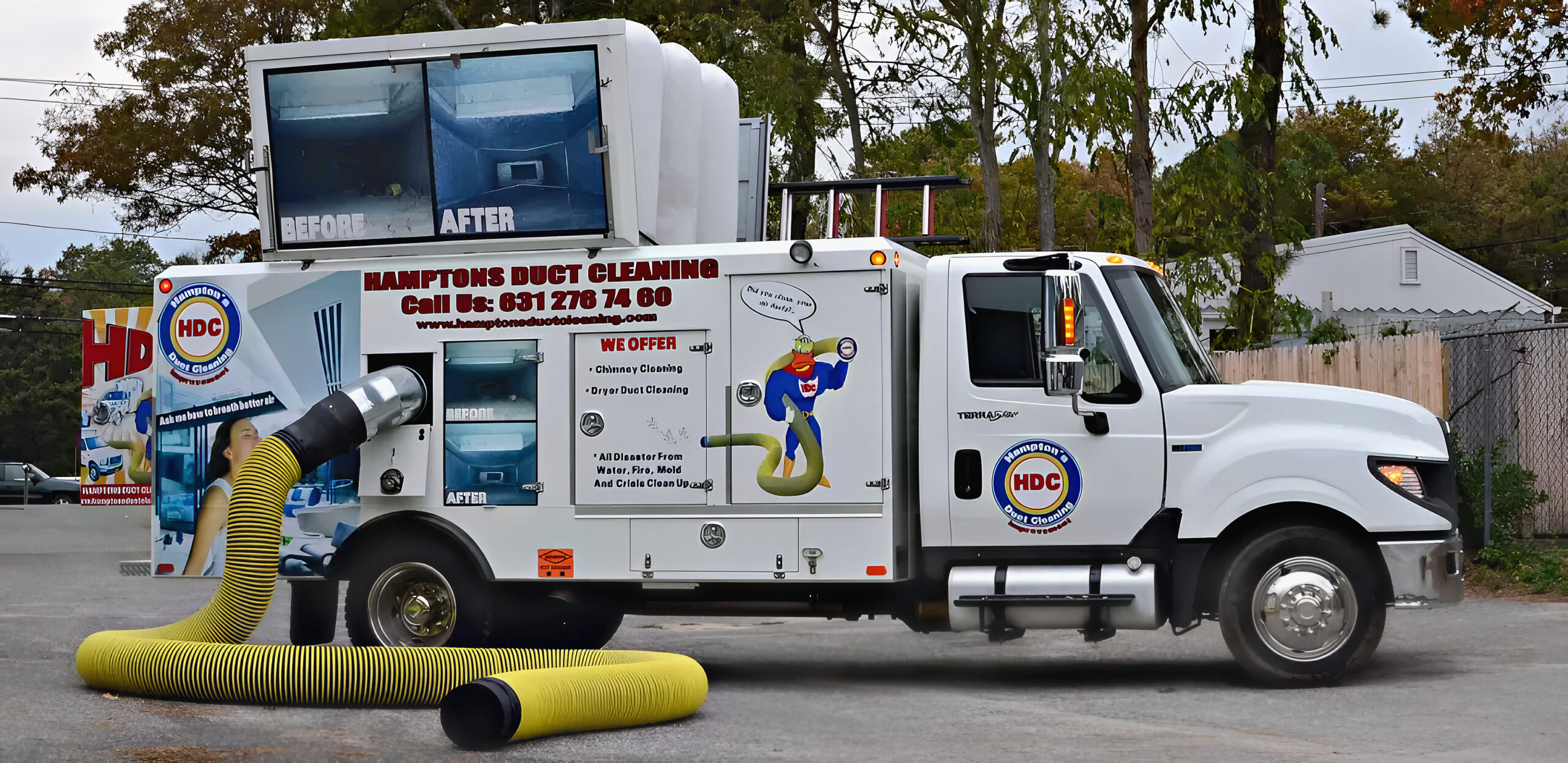
The ducts deserve their own attention after a fire. If the system ran during the smoke, or the smoke reached the returns, the ductwork can keep redistributing odor into rooms that were otherwise untouched. That is checked rather than assumed.
In the first days.
- Do not run the heating or cooling system until the ducts have been looked at, or it can spread soot further.
- Photograph each affected room before anything is moved or discarded. It helps the scope and any insurance record.
- Ventilate only once you know where the soot has settled, so you are not blowing it into clean rooms.
- List what matters most to save. Contents are prioritized, and not everything can be restored.
- Tell us the cause and whether the power and water are back on, since both affect how the work is sequenced.
Fire damage cleanup: quick guide
- Soot on surfaces away from the fire
- Persistent smoke odor
- Smoke that entered the duct system
- Do not run HVAC until it is assessed
- Photograph rooms and contents
- Separate salvageable items from items needing removal